A NEW APPROACH TO TRY-ON
Try-on from any photo of anyone wearing anything
No flat-lays, no isolated garments. Any photo. Whole outfits. A fraction of a cent, under a second.
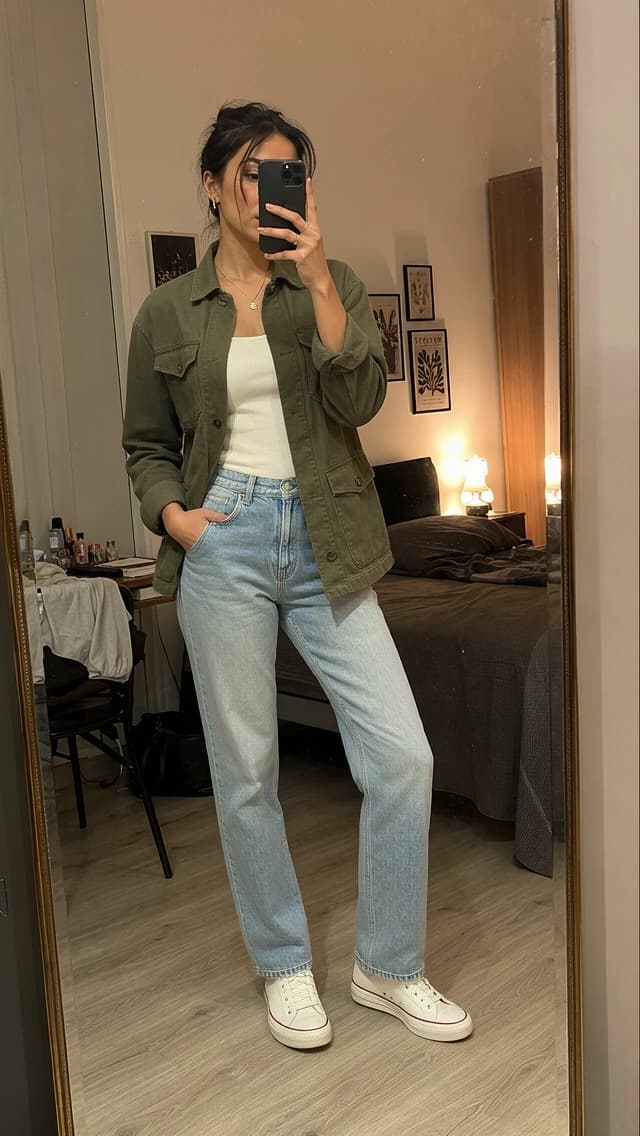
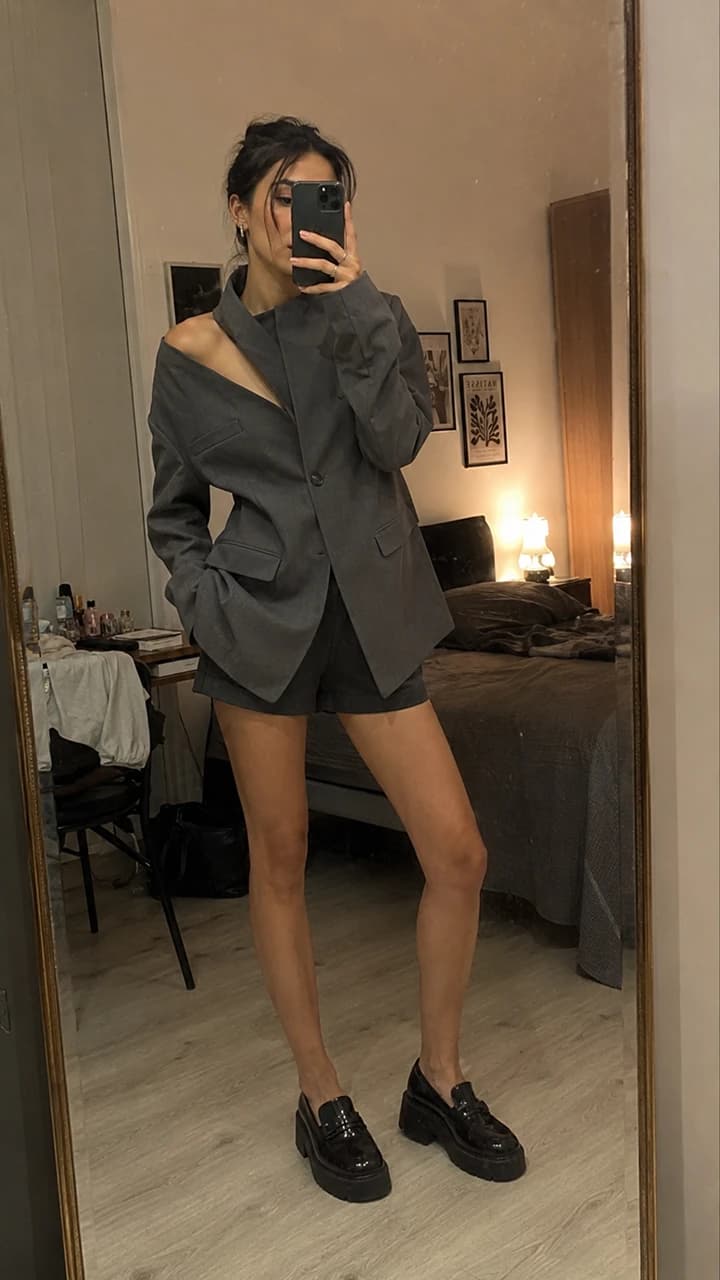
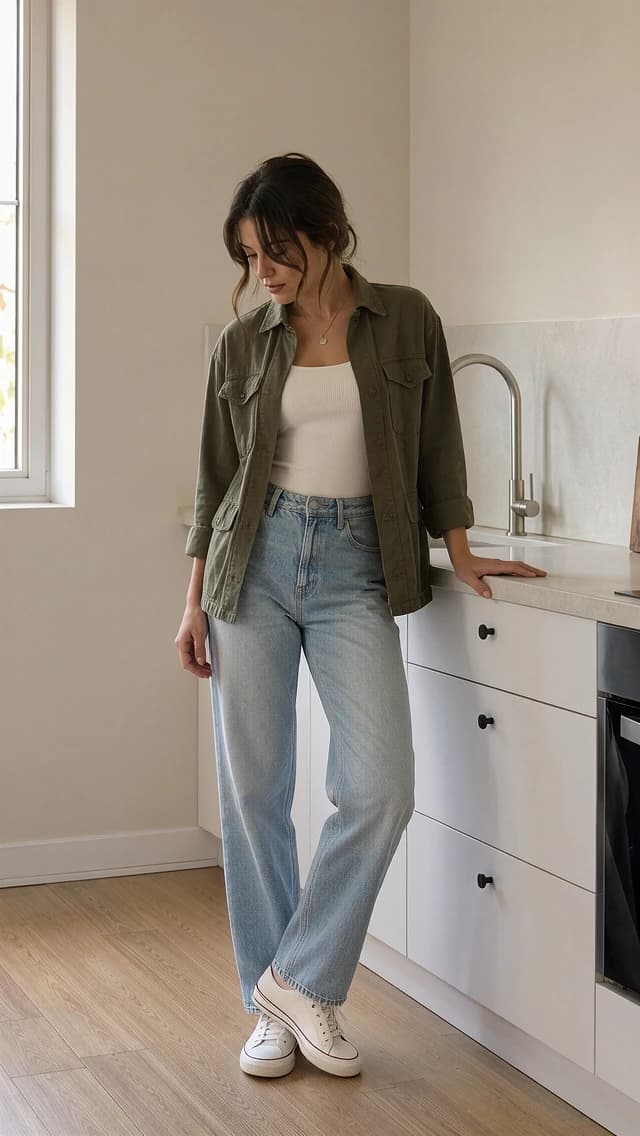
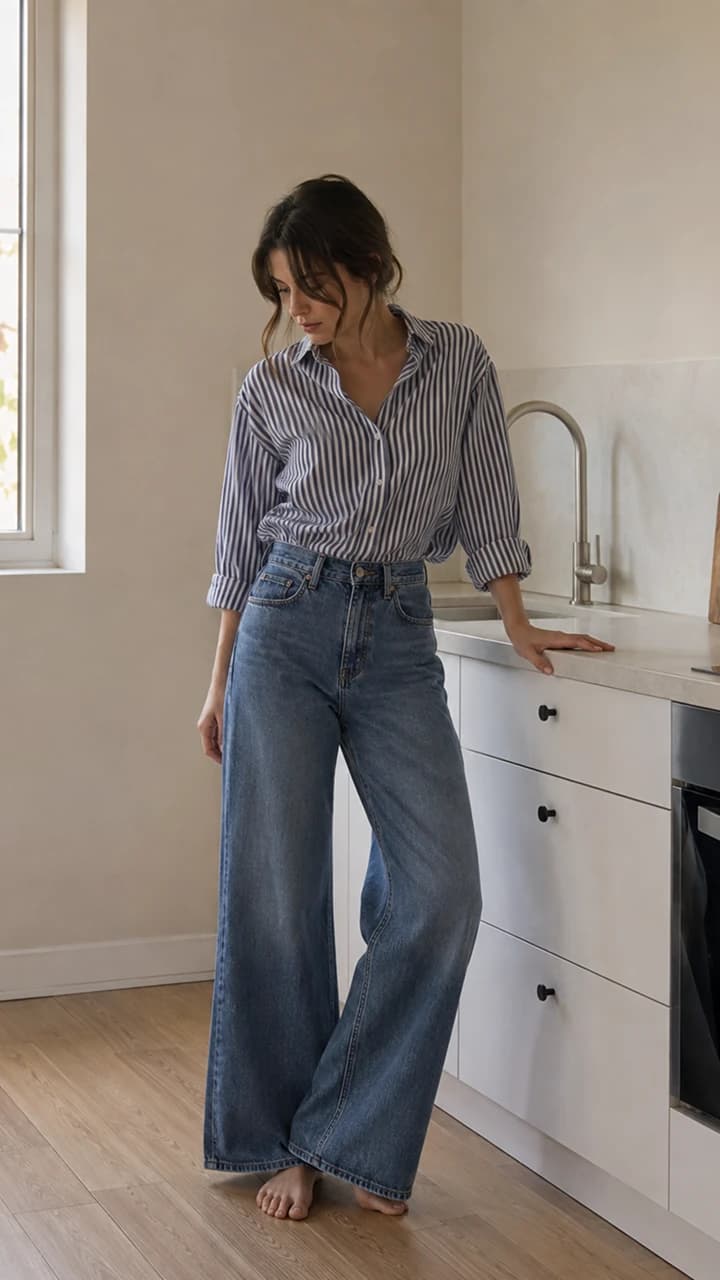
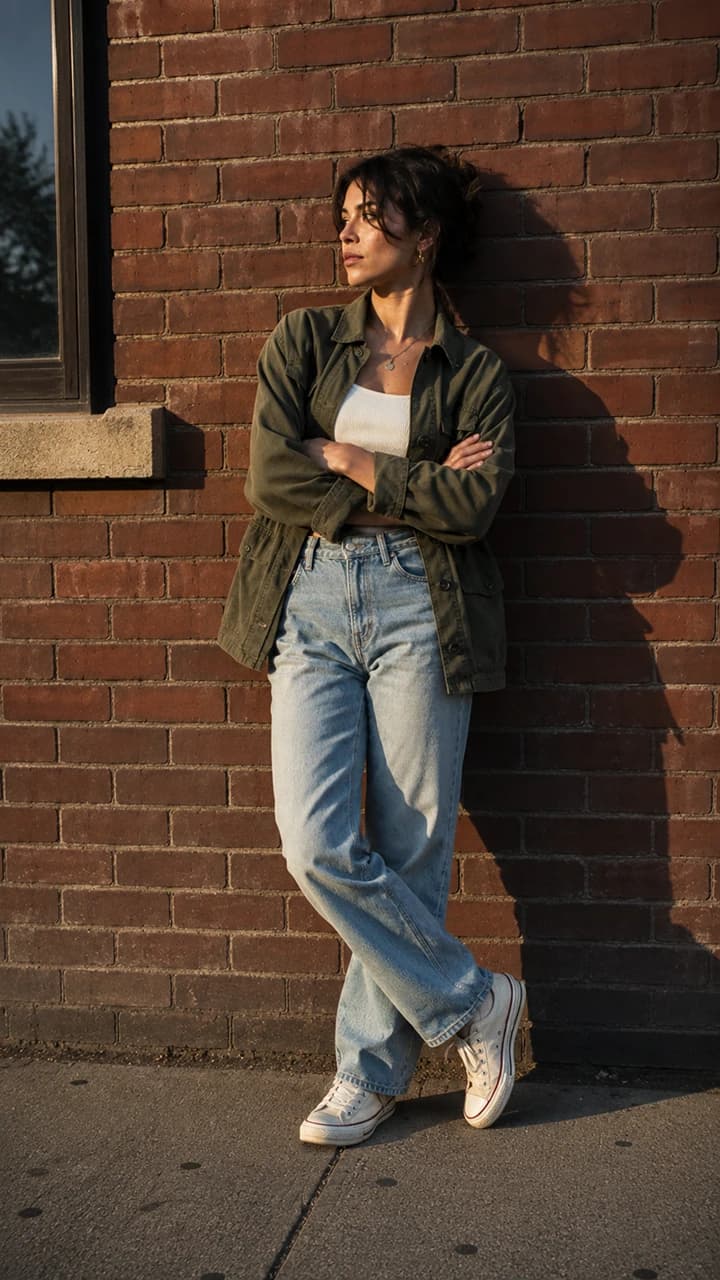
Input · Donor
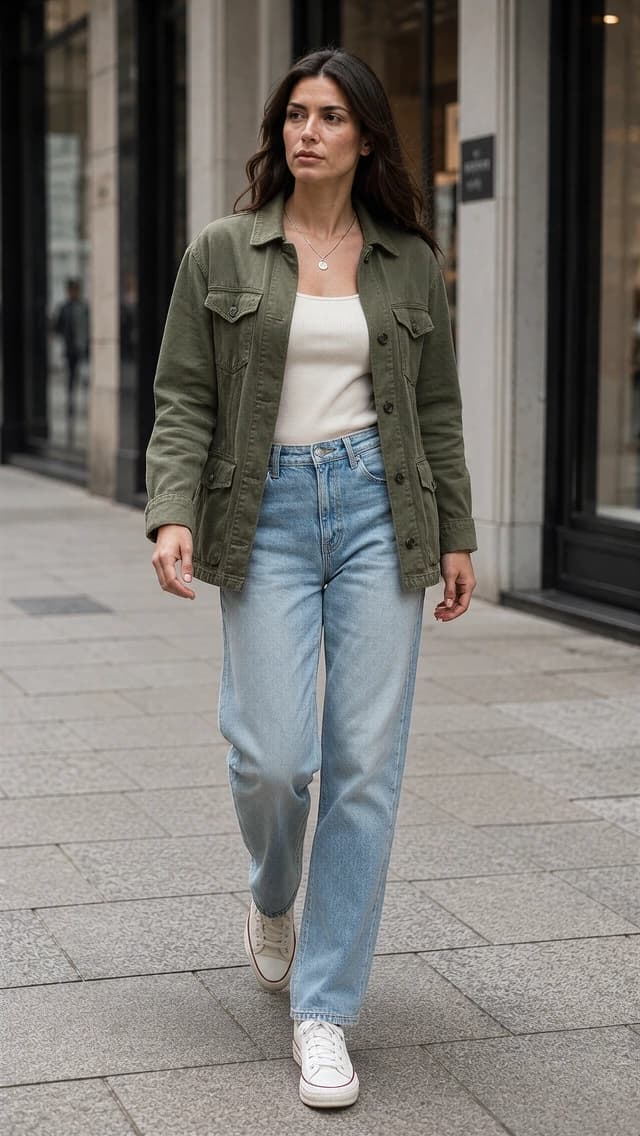
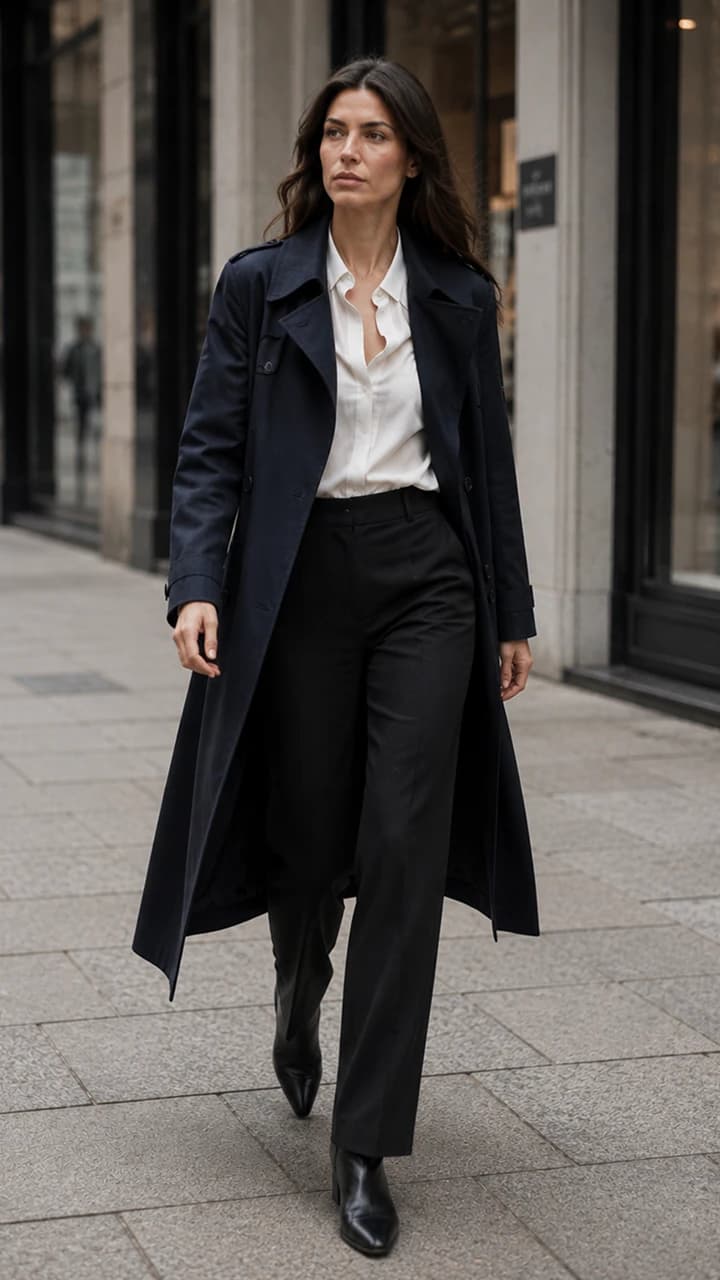
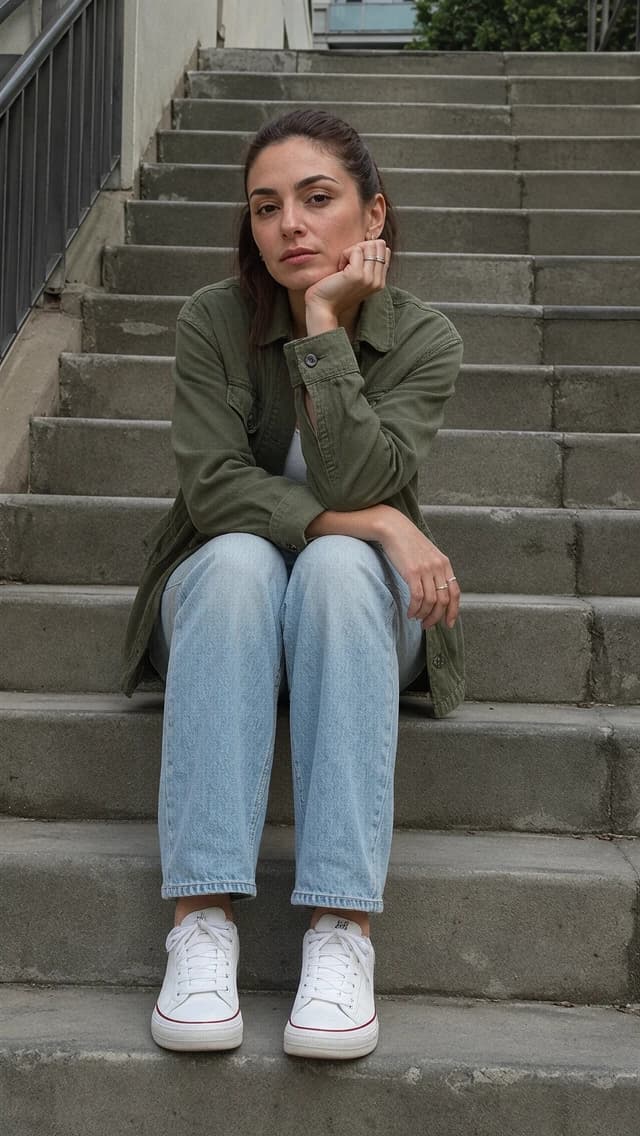
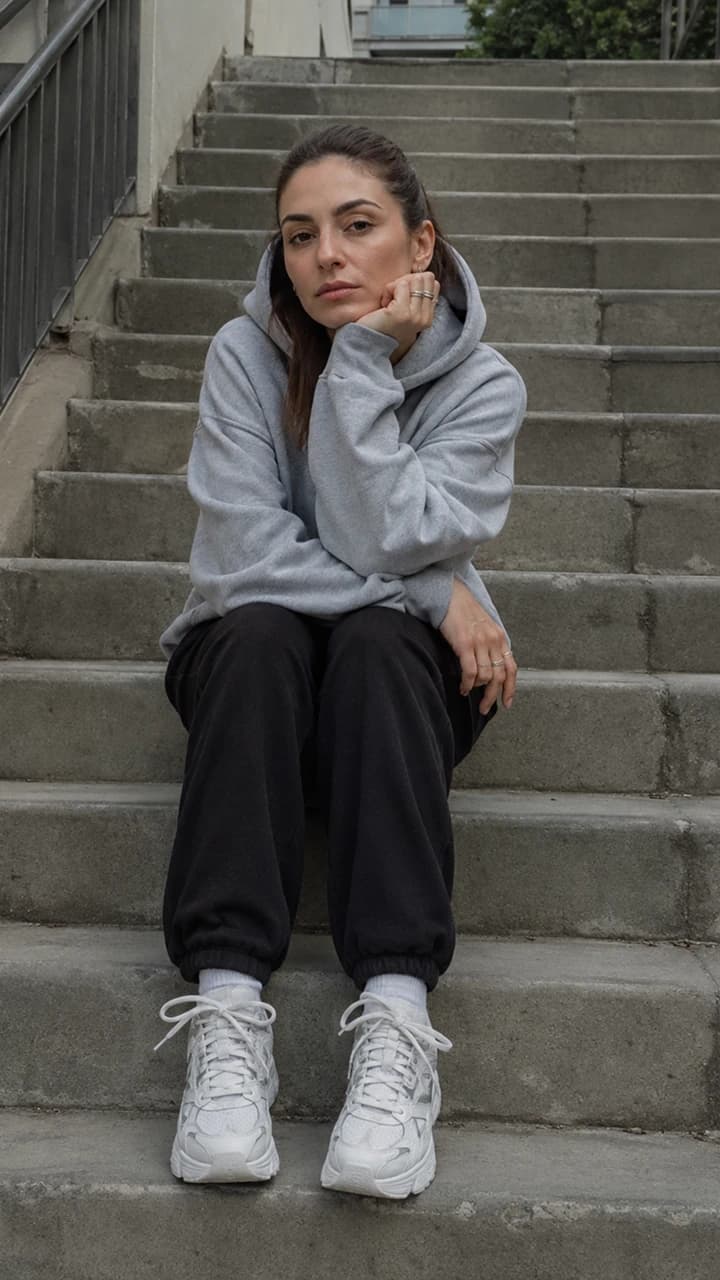
One photograph of one person. Four people, four rooms, four poses, the outfit carried across all of them.
The problem
Try-on today is slow, expensive, and works from one isolated garment at a time. Every item needs a flat lay or a cutout prepared before anything can be tried on, and what the shopper sees is a single garment stripped of everything it was styled with.
We render in under a second, at a fraction of a cent, from any photo of a person wearing the clothes. No flat lays, no cutouts, no per item preparation. The on model images already on your site are the input.
Which means your lookbooks, campaign shoots and editorial become try onable exactly as they were styled, and a shopper tries on the outfit, not a garment.
The math
Try on costs around seven cents a render at market rates. A retailer with 10 million monthly product views would pay $750,000 to put it on all of them. Ours is a fraction of that, and each render comes back in under a second instead of four to ten.
Their four seconds is a wait, so shoppers try one item and move on. Ours is instant, and when it is instant they try ten: this jacket, that dress, the next look. Try on stops being a feature and becomes a habit.
And the input never stops being just a photo. Anything you shot, anything they send, works as is, with no pipeline standing between the catalog and the render.
- <1s
- Per render
- $0.0008
- Compute cost per generation
- 3
- Denoising steps
Innovations
Every try-on dataset that exists is built the same way: a garment laid flat, and the same garment on a model. Train on that and you learn one thing, how to put a cutout on a body. The framing is baked into the data before a single weight is trained.
We needed the opposite: the same look on different people, in different places, with everything else held constant. Nothing like it existed, so we built it. That dataset is why the model can do what it does.
Making a model this fast normally means making it worse, details smear, fabrics flatten, faces stop looking like the person. We built a training method that watches its own output and fixes only the parts that are actually wrong, so nothing gets sanded down in the name of speed. Fabric stays fabric, and the person still looks like themselves.
Fast usually means worse. Here it doesn't. Image models usually take thirty passes to build a picture, we get there in three, because we measured what each one contributed and cut the ones contributing nothing. The model also renders at a lower resolution and sharpens on the way out, in the same pass, so there's no second super resolution step to wait for. Under a second per image, a fraction of a cent.
Rendering large is slow. Rendering small is fast and soft. Every fast system picks one, or renders small and runs a second pass to bring back the resolution, which costs another model, another wait.
We taught the model to do both at once. It generates small and resolves sharp in the same pass. The detail isn't added afterwards. It's in the weights.
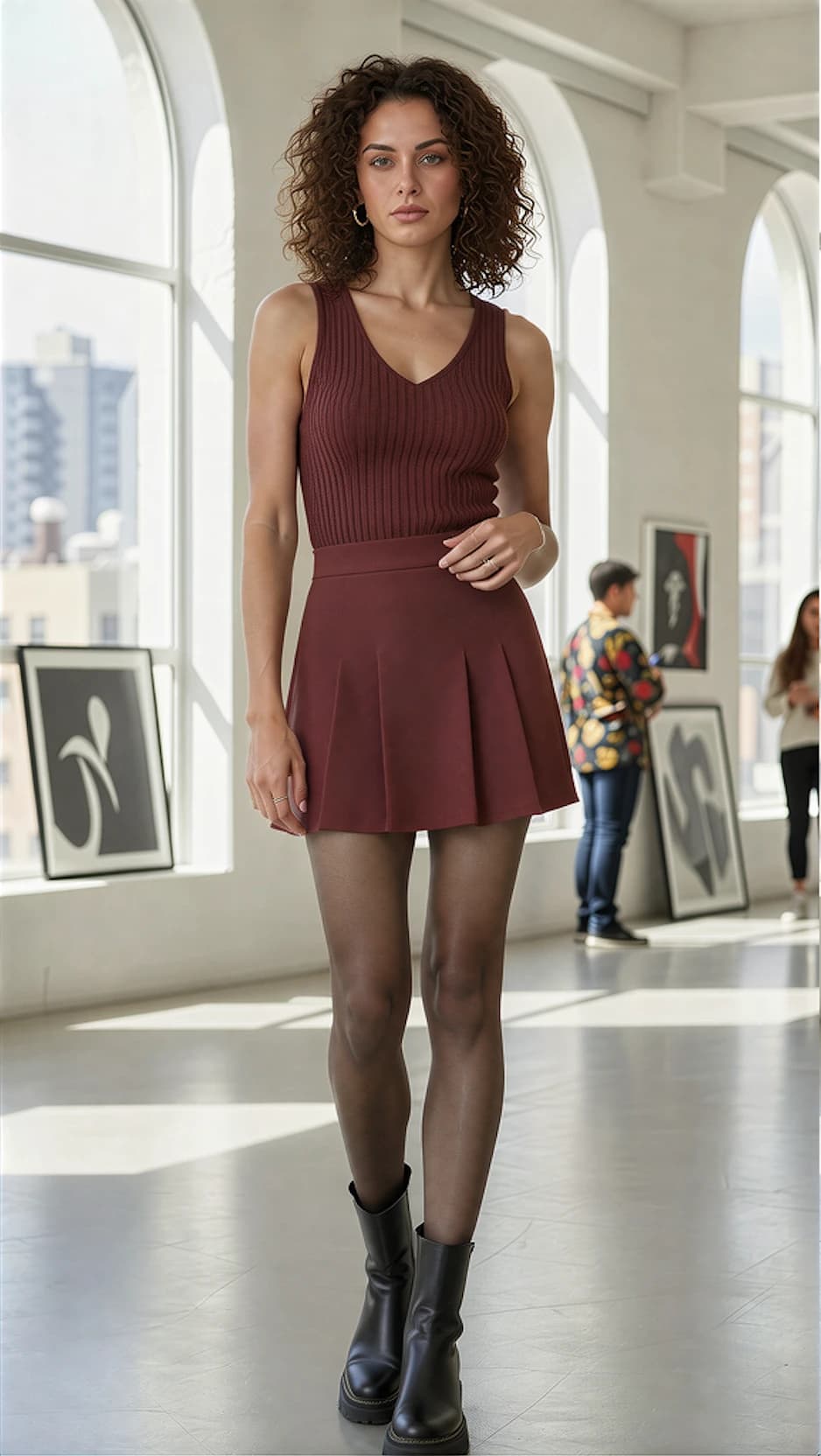
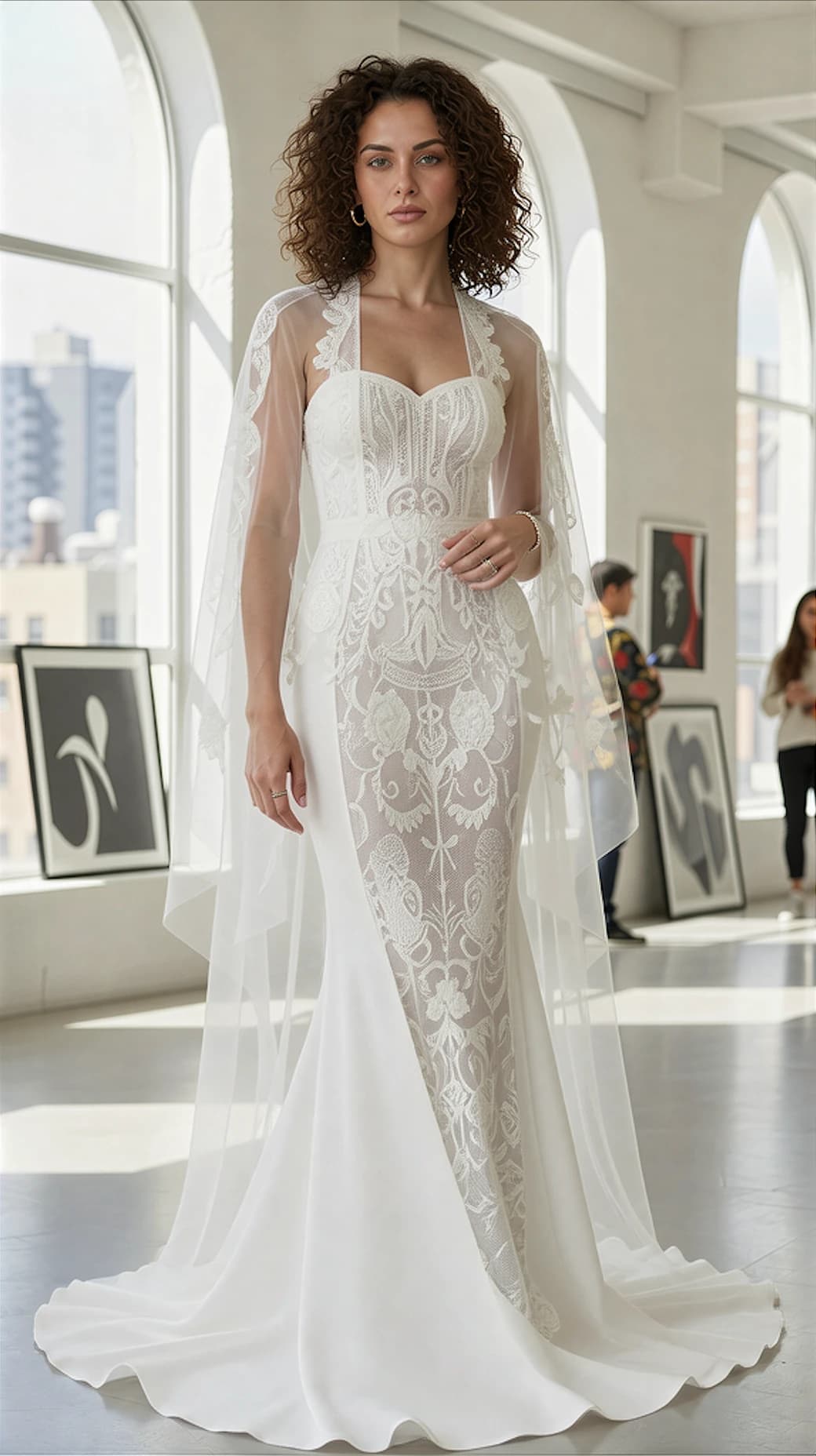
Neither of these is an HD render. Both look like one. Resolution is what you pay for; perceived sharpness is what a shopper sees.
Most generation systems are a pipeline: a segmentation model to isolate the garment, a pose estimator, a prompt to write and tune per category, a base model, then an upscaler. Five things to run, five things to maintain, five things that can go wrong.
This is one model and one call. No prompts to write. No segmentation, no pose estimation, no upscaling pass. Two images in, one image out.
Which is also why it's fast. Nothing is fast when it's five models.
Try on the look
A shirt on a stranger is not what anyone is buying. People buy the outfit, the jacket over that top, with those trousers, in that light, styled by someone whose job is styling.
That work already exists. Your lookbooks, your campaigns, your editorial. Today none of it is try-on-able, because none of it is a cutout.
For us it's the input. The whole look, as styled, on the person looking at it.
The ask
Try it yourself
Send us ten pieces and we'll render them. Nothing kept, nothing stored. And if you have thoughts on any of it, we'd like to hear them.